Become a citizen scientist and help protect whales and dolphins
Become a citizen scientist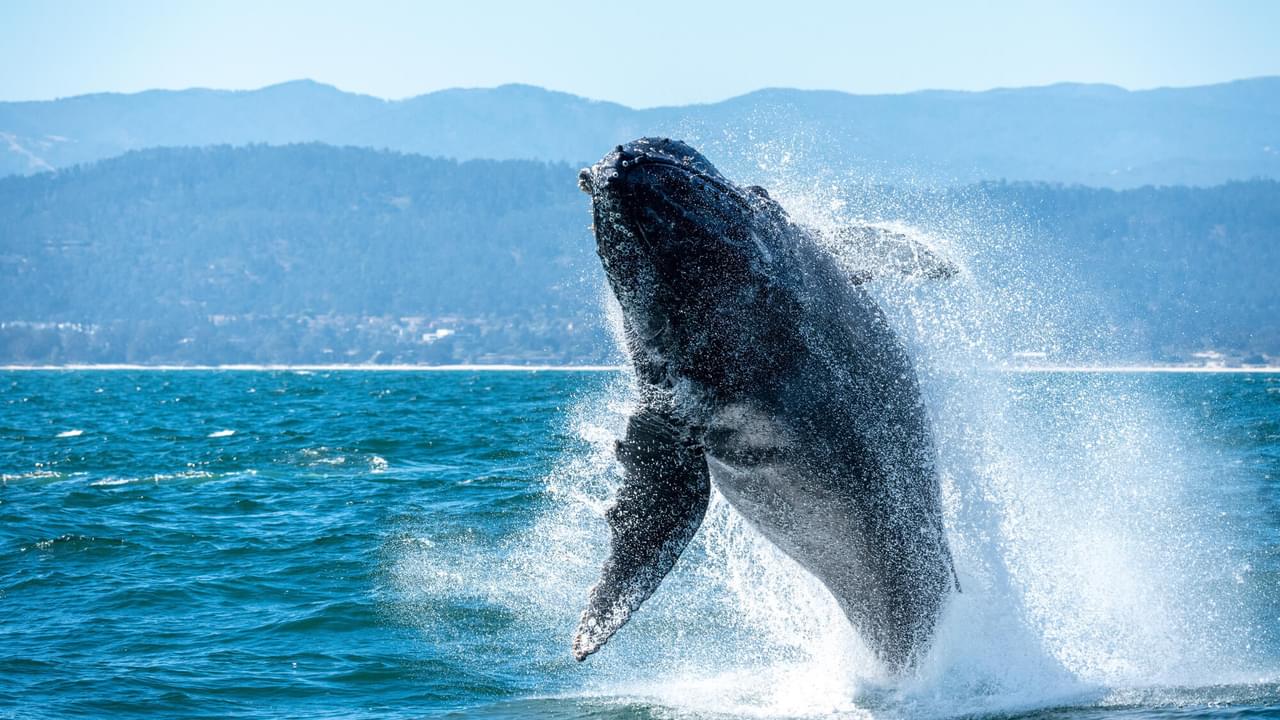
How you can help ORCA’s marine conservation work
Join ORCA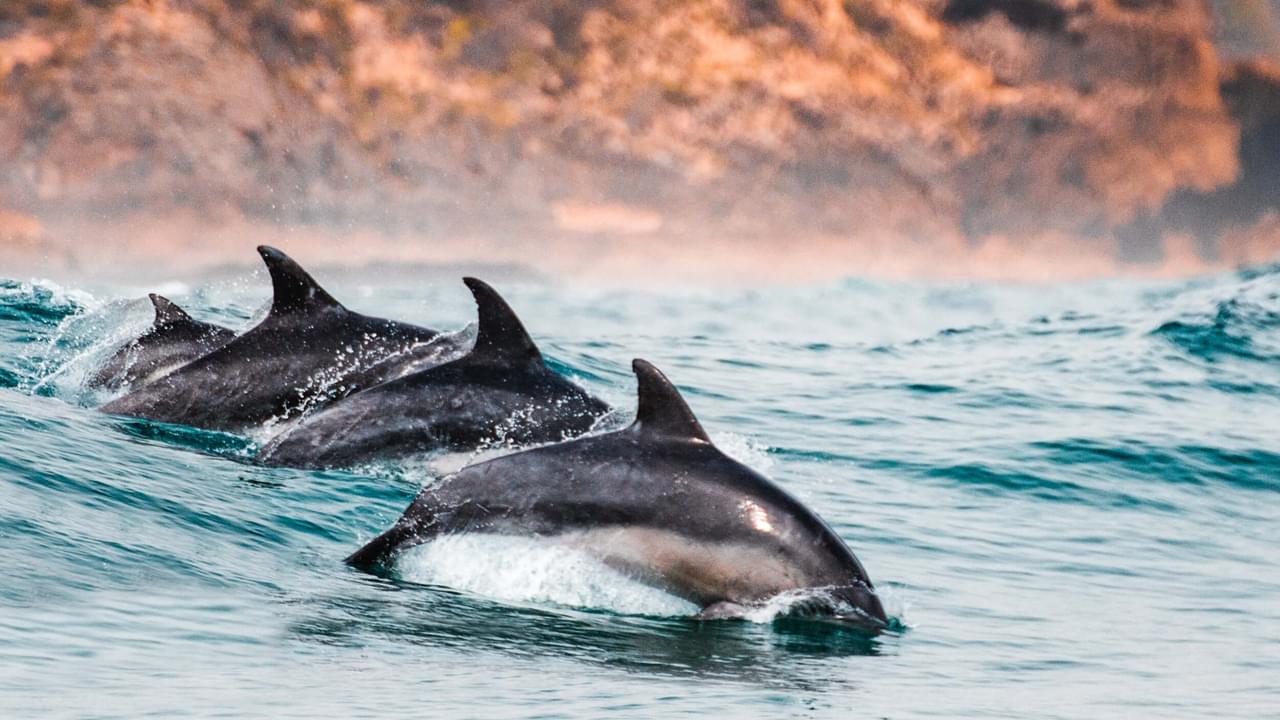
Whale & dolphin Sightings
Over 25 different species of whales and dolphins have been recorded in UK waters, and we are learning more about them every day. Collecting this evidence enables us to make a stronger case for protection where it is non-existent or insufficient
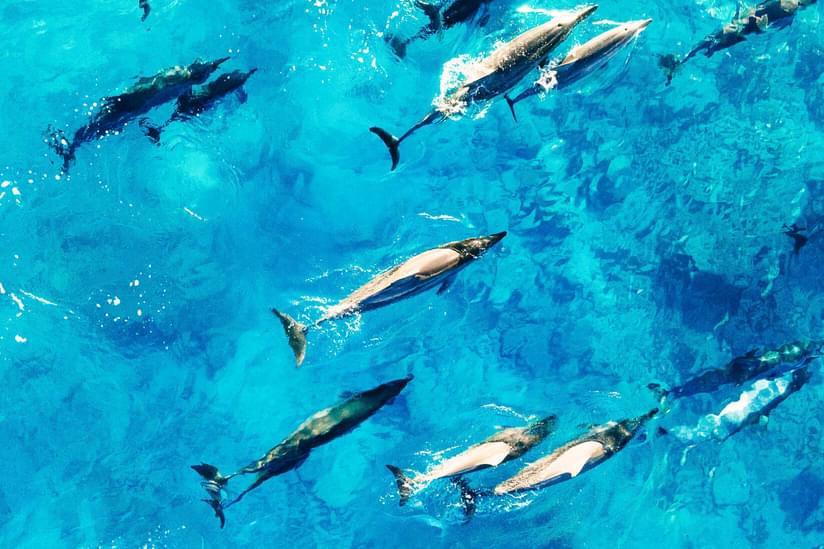
Make a donation
Much of our support comes through single donations that are an essential part of funding our work. Donate and help make a difference

How are we making an impact?
With nearly 30 years of marine conservation expertise behind us, ORCA contributes to a number of high-level global conservation initiatives
Get involved
Take a look at the many opportunities for individuals and businesses to actively help our efforts
Become one of our citizen scientists
How to sign up to our active conservation programme and help protect whales and dolphins
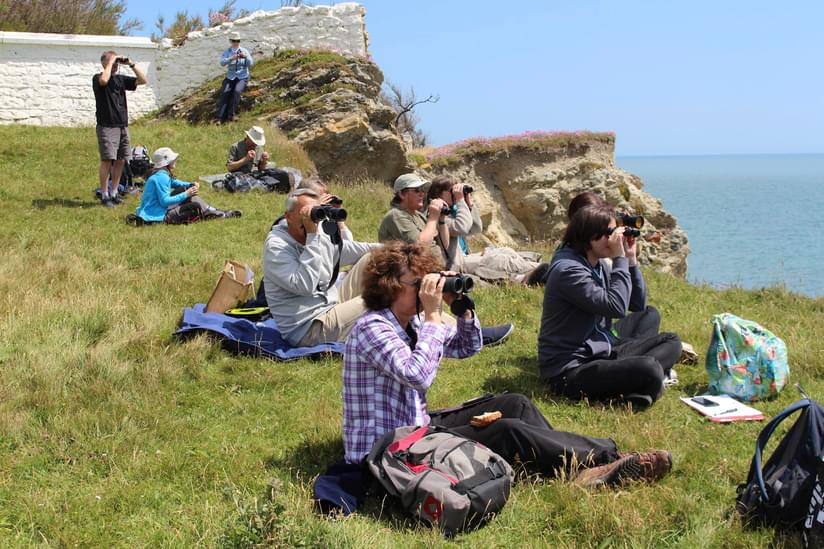
Marine wildlife within reach on an ORCA Sea Safari
The Bay of Biscay is one of the top five places to see whales and dolphins, and it’s on our doorstep.
Our experienced guides will help you spot the magnificent creatures that inhabit these waters, such as fin whales, countless dolphins and elusive beaked whales.
Some of the species that you may see on your Sea Safari
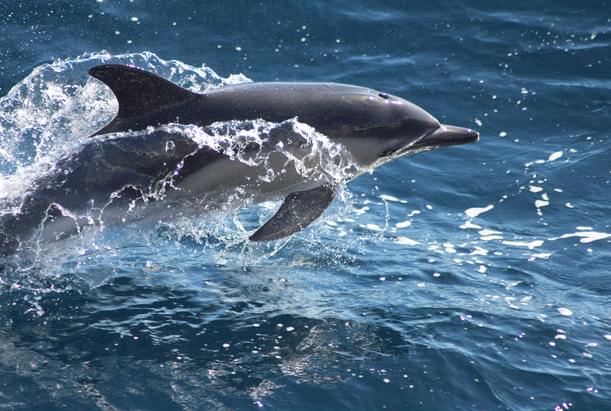
Common dolphin (Delphinus delphis)
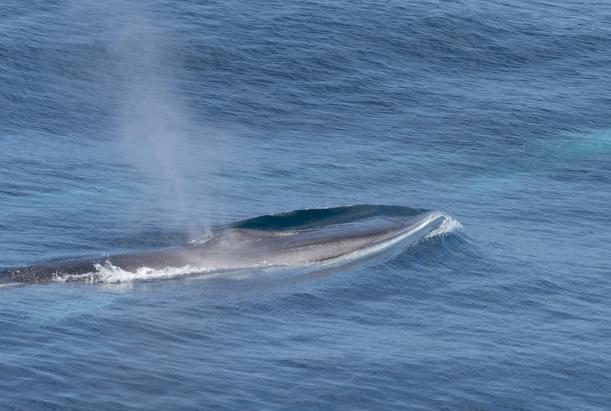
Fin whale (Balaenoptera physalus)
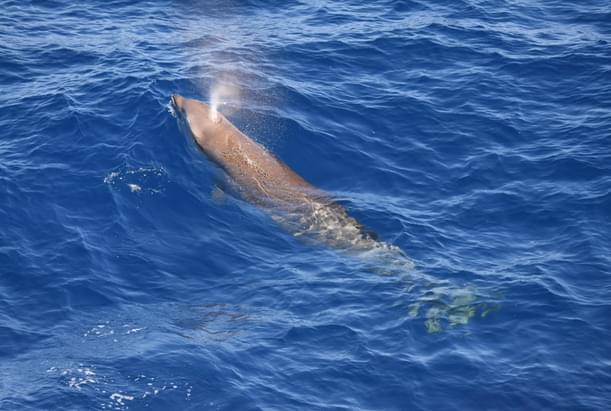
Cuvier's beaked whale (Ziphius cavirostris)
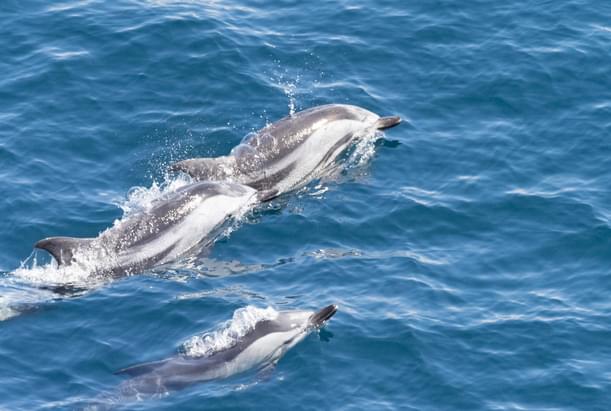
Striped dolphin (Stenella coeruleoalba)
The State of Cetaceans
Our annual State of Cetaceans report (SOC) is a respected and authoritative snapshot of whale and dolphin populations, compiled from tens of thousands of kilometres of survey effort collected by our volunteer Marine Mammal Surveyor workforce and in-house Ocean Conservationists. The global sea regions surveyed include the Atlantic, Pacific, Arctic and Southern Oceans and the Mediterranean Sea.
Latest news
All articles
Another ORCA first - Distance Sampling Surveys on board Saga Spirit of Discovery
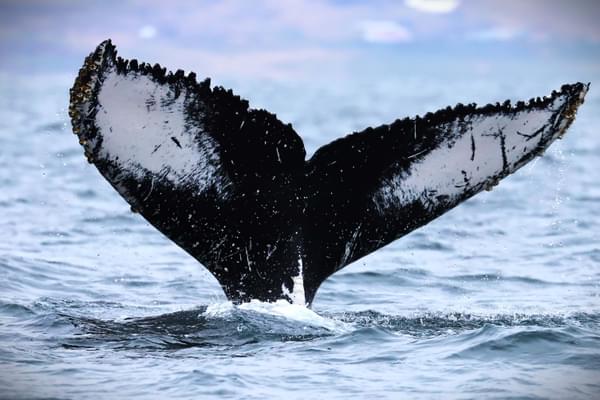
Safeguarding Cetaceans: Protecting Seas and Preserving Planet Earth
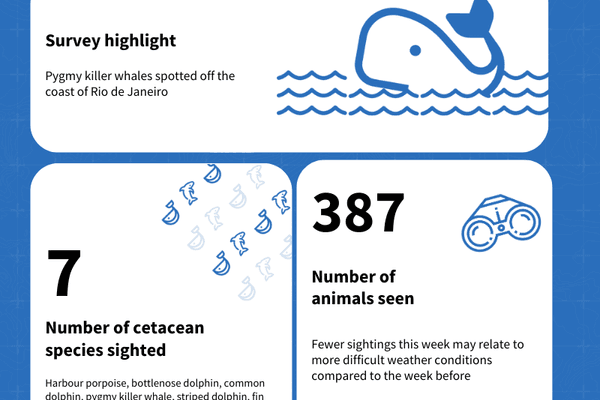
Here is our weekly snapshot summary of where ORCA has been and (most importantly) what we have seen...